For anyone facing a cancer diagnosis and laryngectomy, one of the most profound anxieties is the potential loss of one’s voice. Our voice is deeply tied to our identity, our self-expression, and our connection to the world. When a total laryngectomy is recommended, it can feel like a devastating threshold to cross.
Yet, history is filled with remarkable individuals who proved that a laryngectomy does not silence a life. From legendary actors and world-class educators to media moguls and rock-and-roll drummers, these public figures faced the loss of their physical vocal cords and went on to reclaim their voices, their careers, and their legacies.
Here, we celebrate these trailblazers and look at the profound choices that define the journey of throat cancer survival.
Part 1: The Trailblazers—Thriving After a Laryngectomy
1. Jack Hawkins: Silent Courage on the Silver Screen
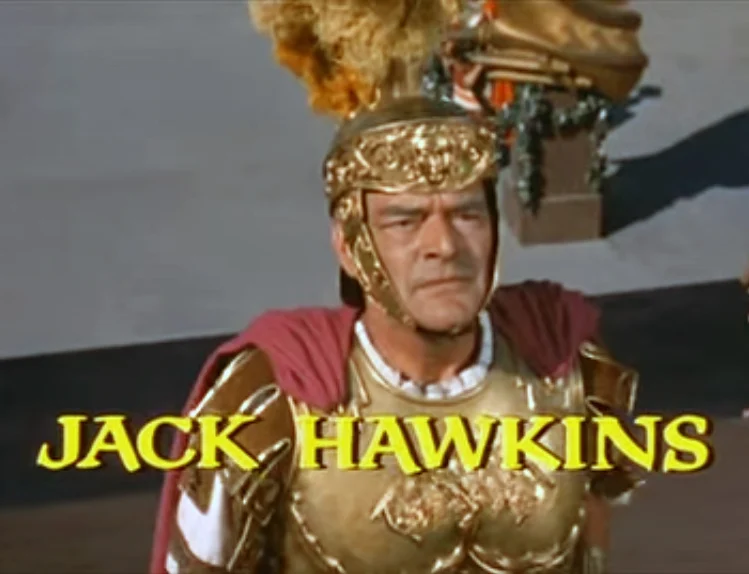
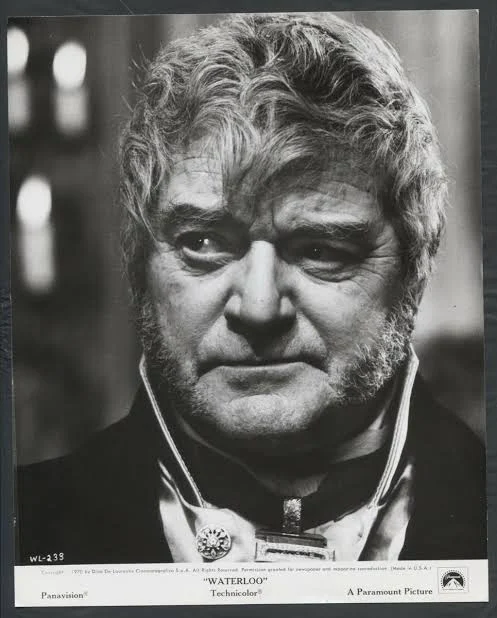
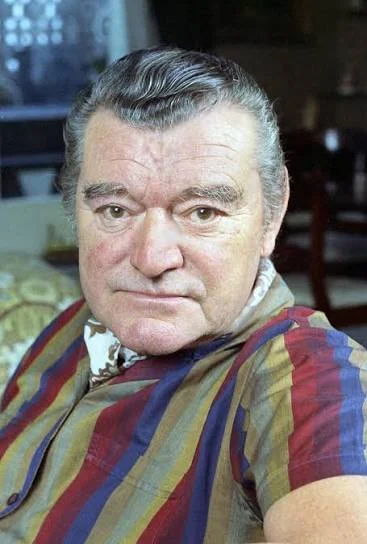
You might not recognize his name, but you know his face and voice. Jack Hawkins was one of the most prominent British film stars of the 1950s and 1960s, known for his commanding presence and rich, booming voice in classics like The Bridge on the River Kwai and Ben-Hur. In 1966, he was diagnosed with laryngeal cancer and underwent a total laryngectomy.
Many assumed his acting career was over. Instead, Hawkins showed incredible grit. He learned esophageal speech and continued to take on acting roles. While his physical voice was often dubbed in post-production by other actors (most notably Charles Gray), Hawkins’ acting, posture, and physical dedication remained entirely his own. He worked continuously up until his death in 1973, showing the world that a screen legend’s power lies in their spirit, not just their vocal cords.
2. Sanford Meisner: Teaching the Art of Truth
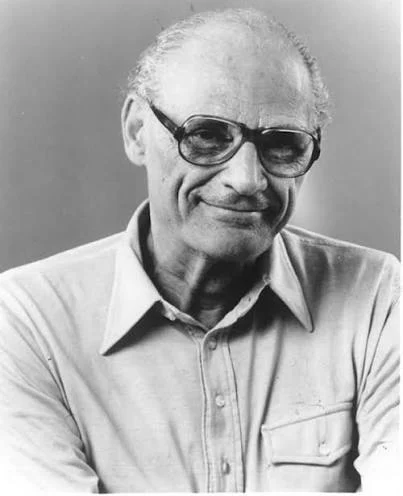
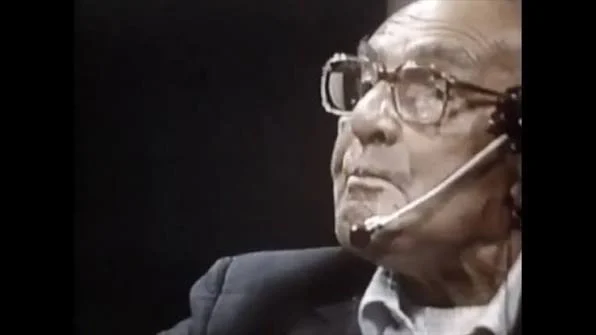
As one of the most influential acting teachers in American history, Sanford Meisner shaped the talents of Robert Duvall, Diane Keaton, Grace Kelly, and Gregory Peck through his world-famous “Meisner Technique.” In 1970, Meisner was diagnosed with throat cancer and underwent a laryngectomy.
Teaching acting is a highly vocal profession, but Meisner refused to step away from the classroom. He learned to speak using an electrolarynx and esophageal speech. Rather than detracting from his authority, his new voice became an iconic part of his teaching persona, forcing his students to listen even more closely. Meisner taught for another two decades, demonstrating that true communication is about listening and reacting with emotional truth, regardless of the instrument used.
3. Frank Batten: Weathering the Storm and Building Empires
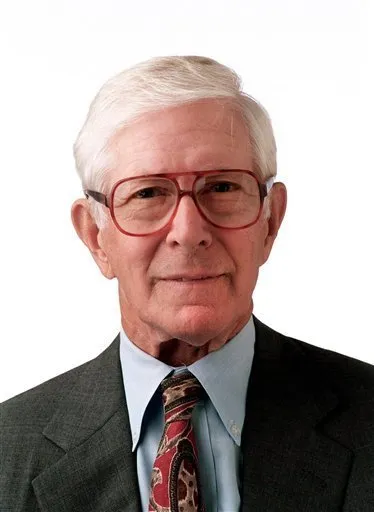
Frank Batten was a visionary media executive and the brilliant mind who founded The Weather Channel In 1982, two years after being diagnosed with throat cancer and undergoing a laryngectomy.
Batten did not let the surgery slow down his corporate or philanthropic ambitions. He learned to speak again and became a highly active advocate for cancer research and laryngectomee rehabilitation. He was a major donor to educational institutions and helped fund speech pathology advancements. Batten proved that leadership, vision, and entrepreneurial genius do not require a standard pair of vocal cords to change the world.
4. John Diamond: Writing with Unflinching Honesty
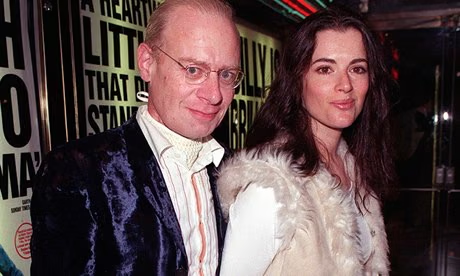
British journalist and broadcaster John Diamond (husband of celebrity chef Nigella Lawson) was diagnosed with throat cancer in 1997. Following his laryngectomy, Diamond turned his personal battle into a public mission.
He wrote a deeply candid, witty, and weekly column in The Times detailing his cancer treatment, his life as a laryngectomee, and the realities of losing his physical voice. His bestselling book, C: Because Cowards Get Cancer Too, demystified the disease for millions. Though he sadly passed away in 2001, Diamond gave an authentic, humorous, and deeply human voice to laryngectomees worldwide, proving that the written word has a resonance that can never be silenced.
5. Steve Price: Keeping the Beat Alive
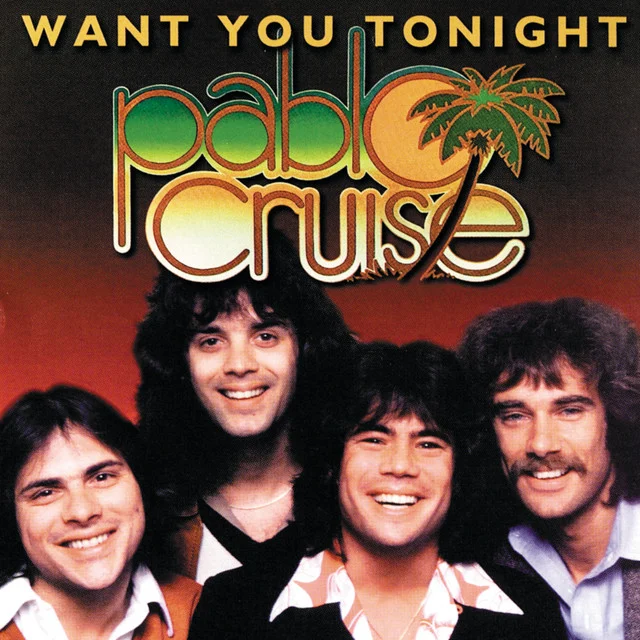
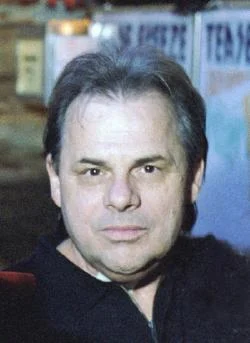
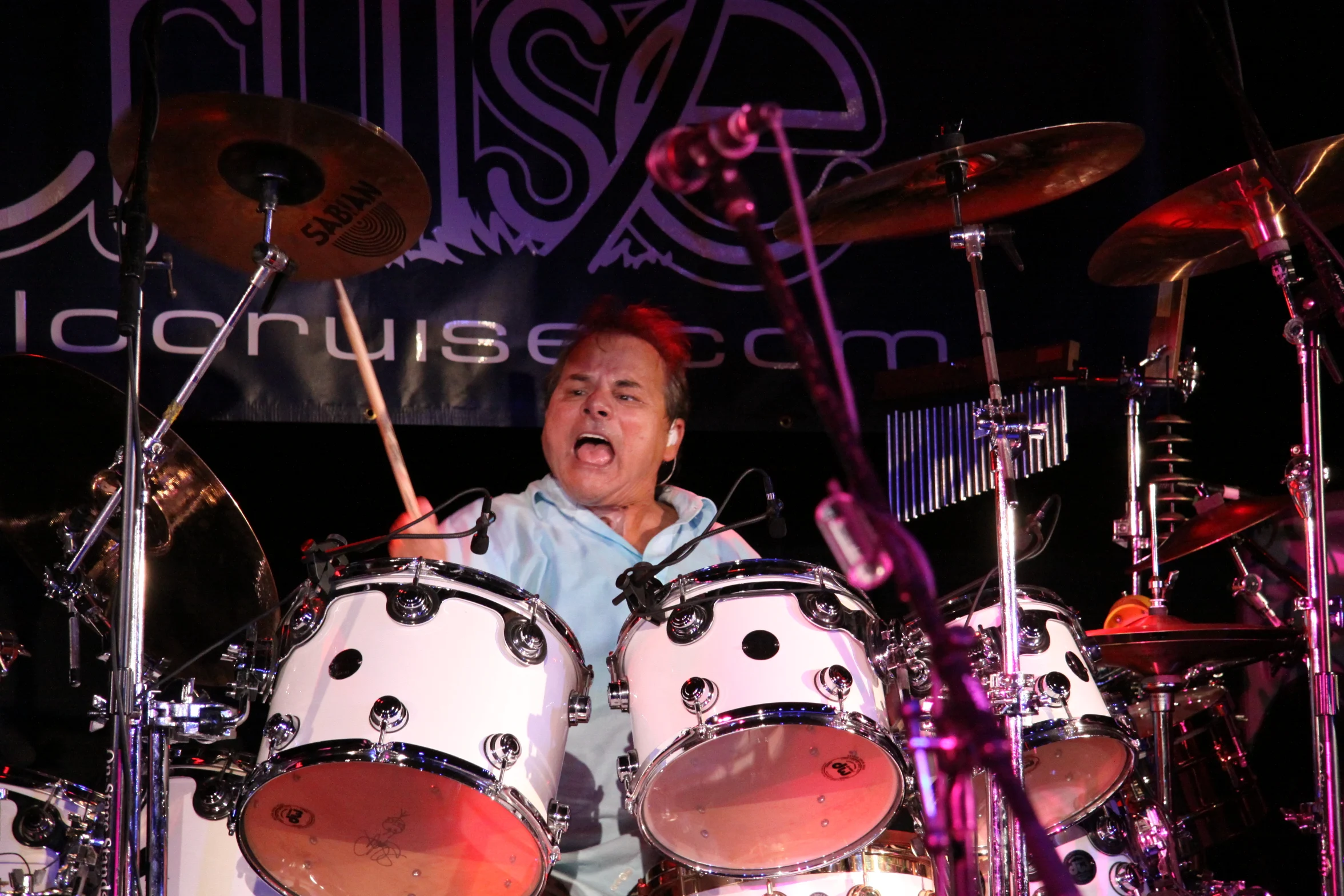
Steve Price, the legendary drummer and percussionist for the multi-platinum American rock band Pablo Cruise, is another shining example of life after a laryngectomy. Known for driving the rhythm behind hits like “Love Will Find a Way” and “Whatcha Gonna Do?”, Price faced throat cancer and subsequent laryngeal surgery.
Price’s journey through rehabilitation and his return to music has served as a powerful inspiration. He has been a vocal supporter of laryngectomy advocacy groups, showing that taking away your voice does not take away your beat, your passion, or your capacity to rock.
Part 2: The Heartbreaking Choice—The Road Not Taken
While these individuals show how much life there is to live after a laryngectomy, the choice is never easy. Some public figures faced the same crossroads and made the difficult decision to refuse the surgery, choosing instead to preserve their natural voice at all costs.
Sammy Davis Jr.: A Portrait of Artistic Agency
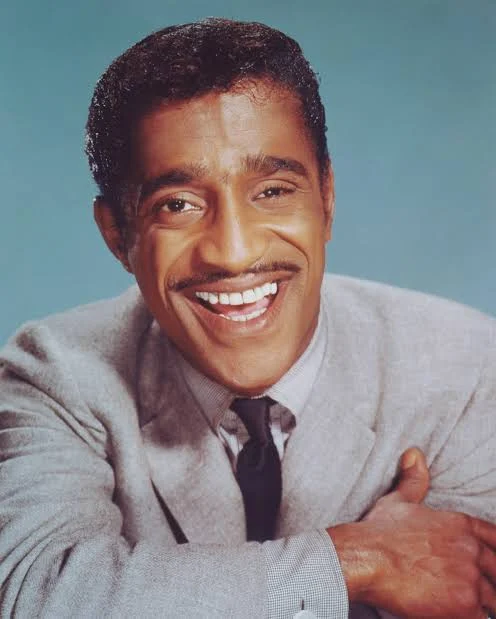
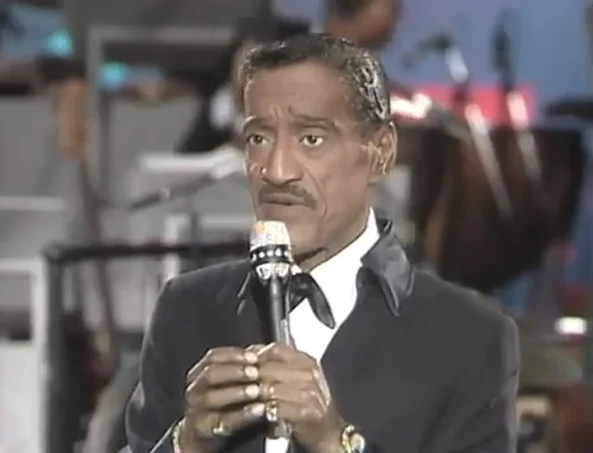
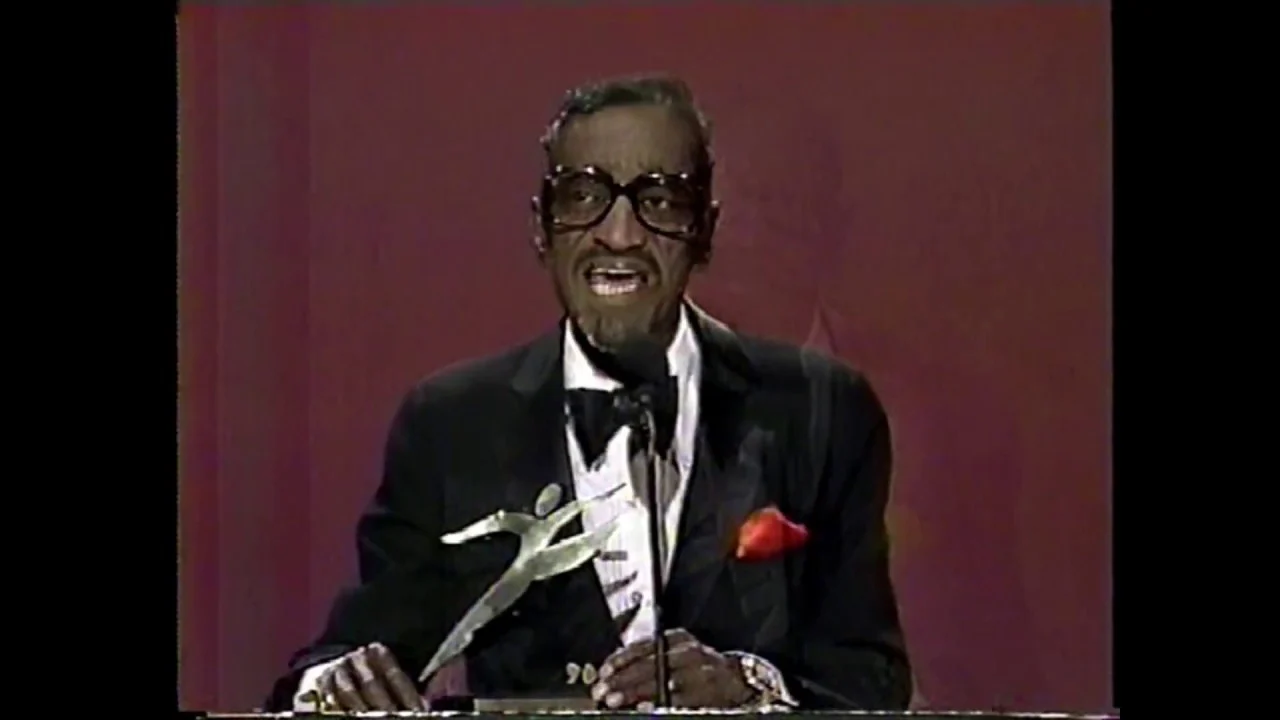
In 1989, the legendary “Rat Pack” entertainer Sammy Davis Jr. was diagnosed with throat cancer. Doctors gave him a stark choice: undergo a total laryngectomy—which offered his best chance at surviving the cancer—or attempt aggressive radiation and chemotherapy.
Because his natural voice, his singing, and his magnetic stage presence were the absolute core of his identity, Davis chose to refuse the laryngectomy. This was not a surrender; it was a courageous decision to stay true to his craft on his own terms. He could not bear the thought of a life without his singing voice.
Though he fought bravely, his choice led to a deeply poignant final act. In late 1989, Davis took the stage for what would be his final public performance. In a star-studded tribute to his 60 years in show business, he Joined Gregory Hines for one final tap dance that left the star-studded audience in tears and on their feet. Davis finally agreed to the laryngectomy in March of 1990. However, it was too late. He tragically passed away in May 1990 at the age of 64.
His legacy remains a powerful reminder of the deeply personal, agonizing decisions that head and neck cancer patients must navigate. At Lary’s Speakeasy, we honor his courage and his choice, while working tirelessly to ensure that today’s patients know they do not have to choose between saving their lives and saving their voices.
Other Icons Who Battled Throat and Neck Cancers
Throughout history and into the modern era, some of our most beloved cultural figures have battled throat and neck cancers. Whether fighting before modern surgical and reconstructive advancements were realized, or navigating intense modern treatments without undergoing a total laryngectomy, these icons left an indelible mark on the world:
- Val Kilmer: The charismatic and versatile star of Top Gun, Tombstone, and The Doors fought a highly public battle with throat cancer after his diagnosis in 2014. Rather than a total laryngectomy, Kilmer underwent chemo, radiation, and a tracheostomy that left his voice permanently altered. He famously adapted, continuing to create art, releasing an intimate documentary (Val), and utilizing pioneering AI voice-recreation technology to speak—most notably reprising his iconic role as Iceman in 2022’s Top Gun: Maverick. Sadly, his years-long health struggles concluded when he passed away in April 2025 at age 65 due to complications from pneumonia.
- Babe Ruth: The legendary baseball slugger was diagnosed with nasopharyngeal carcinoma (a cancer closely linked to the throat) in 1946. He was one of the first cancer patients to receive both chemo and radiation treatment simultaneously but died in 1948.
- George Harrison: The youngest Beatle was diagnosed with throat cancer in 1997, which he initially treated with radiation. Though he kept his voice, the cancer eventually recurred and metastasized in his lungs, leading to his death in 2001.
- Humphrey Bogart: The iconic Hollywood star of Casablanca died of esophageal cancer in 1957. He underwent surgery to remove his esophagus but did not have a laryngectomy, passing away shortly after. At the time of his death, he weighed only 80 pounds.
- Ulysses S. Grant: The Civil War General and 18th U.S. President died of throat cancer in 1885. At the time, modern laryngectomy techniques were in their infancy, and Grant spent his final days racing to finish his memoirs before the cancer claimed his life.
Conclusion: Reclaiming the Voice
The stories of Jack Hawkins, Sanford Meisner, Frank Batten, John Diamond, and Steve Price remind us that a laryngectomy is not an end; it is a transition. It is a life-saving procedure that opens up new ways of speaking, connecting, and inspiring others.
Whether through a Tracheoesophageal Prosthesis (TEP), an electrolarynx, esophageal speech, or the written word, these figures proved that what we have to say is far more important than the mechanism we use to say it.
At Lary’s Speakeasy, we celebrate these voices – past and present – and stand together to ensure that no laryngectomee ever has to journey through recovery in silence.
You can support us in our mission at larysspeakeasy.org

Interesting article, but really how is that there are only men listed here? There are many of us female Lary’s out there, it would have been nice to see some women included.
I agree. If you know of any I would be glad to add them to the article.
Clementine Paddleford: A highly influential food writer. In 1931, she was diagnosed with laryngeal cancer and underwent a partial laryngectomy. Post-surgery, she kept her tracheotomy tube covered with stylish capes, and the resulting change in her voice became her signature calling card as she continued her legendary journalism career.Terrie Hall: A well-known American anti-tobacco advocate. After smoking for decades, she was diagnosed with throat and oral cancers, leading to a total laryngectomy in 2001 at the age of 40. She later became the face of the CDC’s “Tips From Former Smokers” advertising campaign, using her story and experience with esophageal speech to educate the public.
This is a incredible storei had know idea!
Very nice, I knew about Val Kilmer but had no idea about the others.